
 American
( English )
 Singapore ( English )

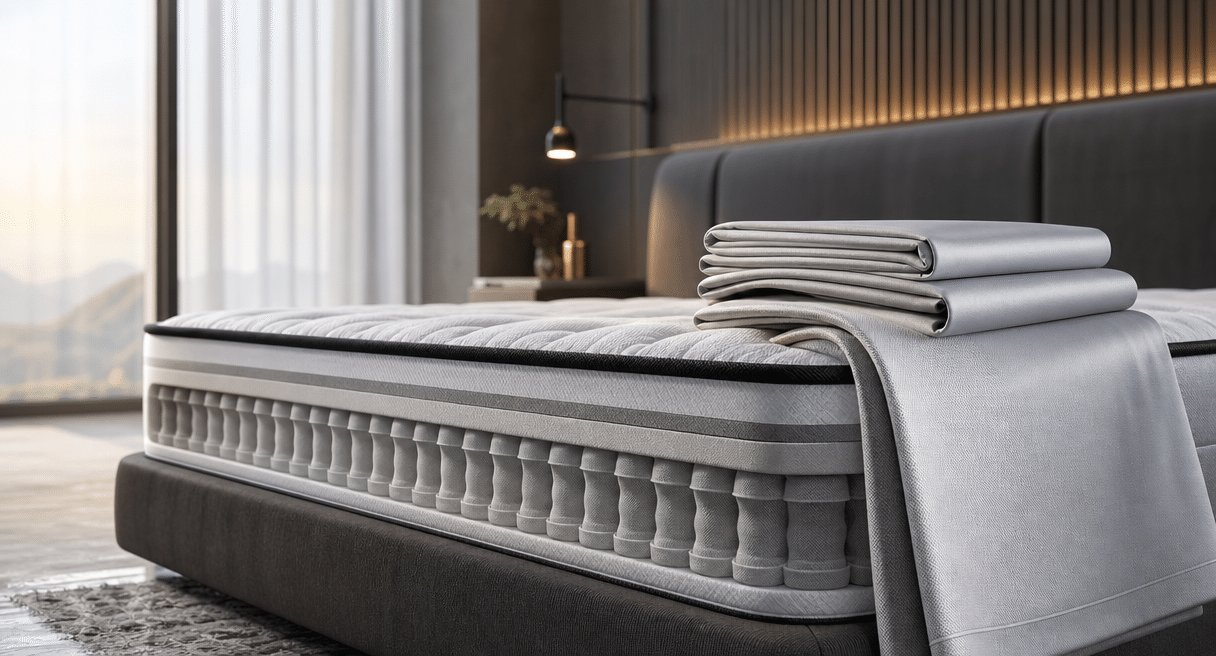
Thread count is the number most sheet shoppers learn first, and the one most likely to mislead them. A higher figure sounds like better quality, but it only counts how many threads are woven into a square inch. It says nothing about whether those threads are good, how they were woven, or how the fabric will actually feel and breathe over years of use. This guide explains what thread count really measures, what the common ranges mean, where the number stops being useful, and what matters more: fiber quality, weave, and the functional performance of the fabric itself.
What Thread Count Actually Measures
Thread count is the total number of horizontal and vertical threads woven into one square inch of fabric, so it is a count of quantity, not a measure of quality. Two sheets with identical counts can feel completely different depending on the fiber and the weave used, which is why a high number on the packaging so often leads to a disappointing purchase.
The metric became a marketing shortcut because it is easy to print a single large number on packaging. In practice, a 400-thread-count sheet made from short, low-grade cotton can feel rougher and wear out faster than a 250-thread-count sheet made from long-staple cotton woven cleanly. Thread count only tells you how many threads were used. It says nothing about how fine each thread is, how strong the fiber inside it is, or how the threads interlock. That is why two fabrics carrying the same number can sit at very different price points, and why treating thread count as the whole story leads to disappointing purchases.
Thread Count Ranges: What 200–1000 Really Means
As a rough industry guide, sheets between 200 and 400 thread count tend to balance comfort and durability for most sleepers, the 400 to 600 range moves into a smoother, more refined hand feel, and anything advertised above 600 is often produced with multi-ply yarns or inflated counting methods rather than genuinely denser weaving.
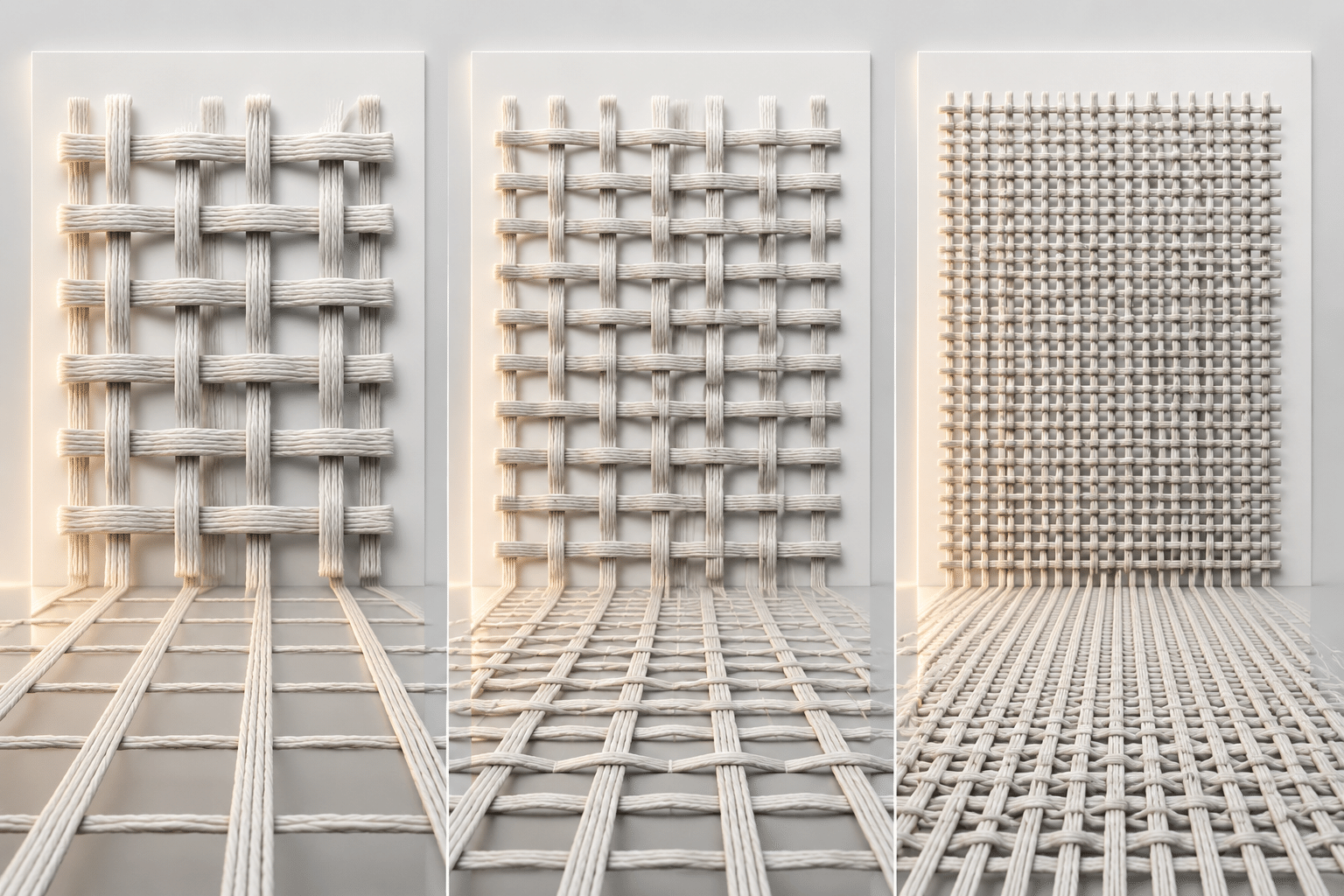
(This image is AI-generated for reference only, not an actual product photo.)
A practical way to read the ranges:
- 200–400: the comfortable, durable sweet spot for everyday use; breathable and easy to care for.
- 400–600: a smoother, silkier surface associated with premium construction, when built from quality fiber.
- Above 600: frequently a marketing number. Manufacturers may count each ply of a twisted yarn separately, so a '1,000 thread count' sheet is sometimes a 250-thread fabric counted four times.
None of these figures guarantee comfort on their own. A sheet in the lower range made from long-staple cotton and a clean percale weave will usually outperform a high-number sheet built from inferior fiber.
Why Thread Quality Beats the Number
The fiber inside each thread, how the yarn is plied, and the weave pattern together shape how a sheet feels and how long it lasts, usually more than the thread count on the label. Long-staple cotton, single-ply yarns, and the right weave are what separate a sheet that stays smooth for years from one that pills after a few washes.
Three factors matter more than the raw count:
- Fiber length: long-staple and extra-long-staple cotton produces finer, stronger yarns that resist pilling and hold up over years of washing.
- Ply: single-ply yarns (one continuous fiber spun into a thread) generally indicate honest construction; multi-ply counting is what inflates numbers past 600.
- Weave: percale (a plain, one-over-one weave) feels crisp and cool; sateen (a satin-style weave with more yarns on the surface) feels smoother and slightly warmer.
A 300-thread-count percale made from long-staple cotton will almost always feel crisper and last longer than a 600-thread-count sheet spun from short fibers and counted aggressively. The number is the headline; the fiber and weave are the substance.
Beyond Thread Count: Fabric Functionality
Once thread count is understood as only one of several factors, the more useful question becomes how the fabric performs while you sleep, since breathability and hygiene shape the nightly experience far more than an extra hundred threads per inch. Engineered functional fabrics like DeRUCCI's 3D-Plus spacer fabric and VIRASE® treatment address this directly, in ways thread count alone cannot capture.
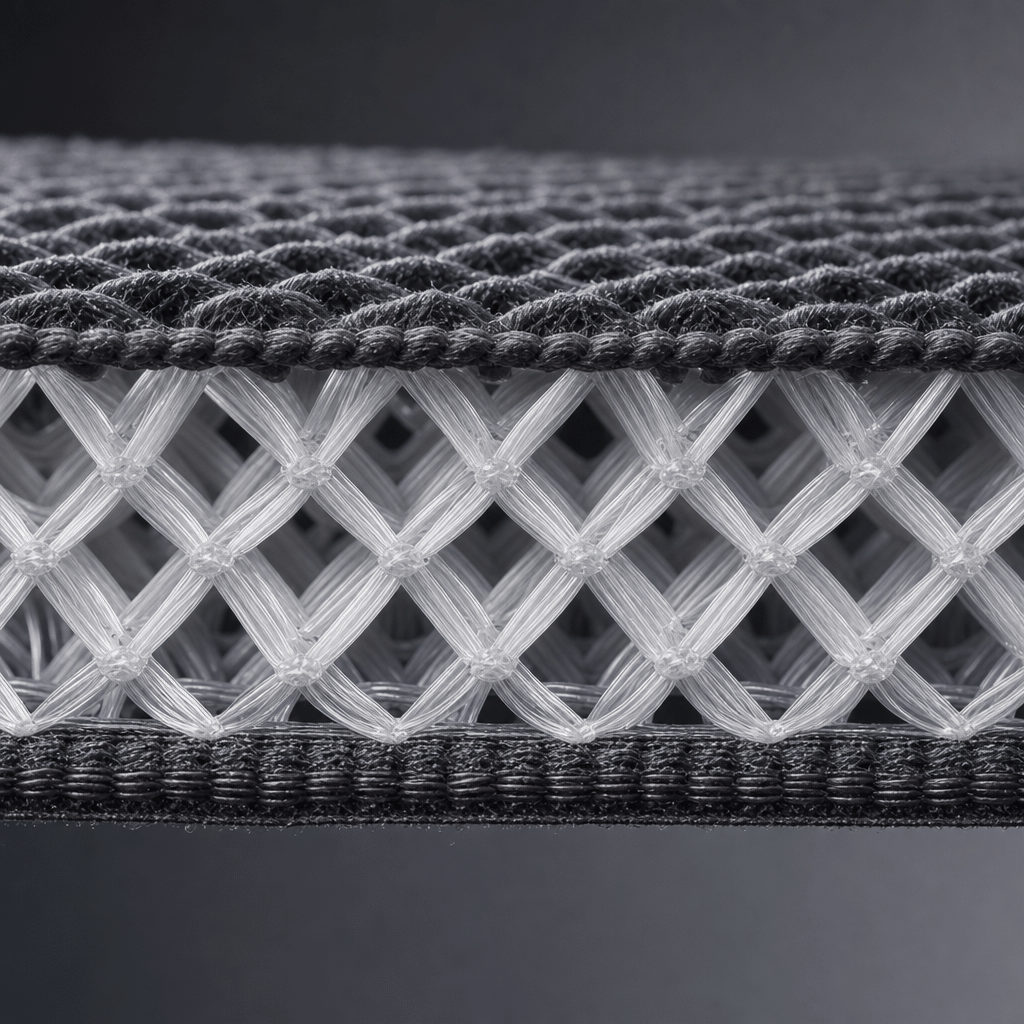
(This image is AI-generated for reference only, not an actual product photo.)
DeRUCCI's approach to sleep surfaces extends this thinking beyond conventional weaving. The brand's 3D-Plus spacer fabric uses an X-shaped fiber cross-section to create ventilation channels that, according to the company's official materials, improve airflow by roughly 4.4 times compared with conventional flat fabric. That is a functional gain in temperature regulation that thread count alone cannot express. On the hygiene side, VIRASE® treated fabric, developed with Belgian textile specialist BekaertDeslee, meets ISO 18184:2014 standards for antiviral performance alongside antibacterial and anti-mite properties. The DeRUCCI mattress materials guide explains how these functional layers are specified across the range, and the DeRUCCI bedroom collection shows how bedding choices integrate with the wider sleep setup. The point is not that thread count is irrelevant. It is that the number reads best alongside breathability and material performance.
How to Choose Sheets You'll Actually Love
A short, honest checklist outperforms any single specification, so focus on fiber quality first, then weave, then thread count as a tiebreaker, and finally the functional properties that matter to your sleep. Sheets chosen this way tend to stay comfortable far longer than those bought on thread count alone, which is why the order of the questions matters more than any one answer.
Use this order when comparing options:
- Feel the fiber: look for long-staple or extra-long-staple cotton; it is the single biggest predictor of longevity.
- Read the weave: percale for crisp and cool, sateen for smooth and warm.
- Use thread count as a guide, not a verdict: 200–400 from good fiber is enough for most sleepers.
- Match function to your needs: if you sleep warm, prioritize breathable or airflow-engineered fabrics over high thread count.
For those who sleep warm or are sensitive to allergens, functional fabrics that improve airflow and resist microbes can matter more than any number on the label. Understanding how engineered materials change the feel of a bed is a more useful next step than chasing the highest thread count on the shelf.