
 American
( English )
 Singapore ( English )


Why Nap Length Matters
The length of your nap decides whether you wake up sharp or groggy, because sleep comes in stages, and crossing from light sleep into deep sleep is what triggers that heavy, foggy feeling known as sleep inertia.
A short nap of 10 to 20 minutes keeps you in the lighter stages, so you wake alert and refreshed. Go longer than about 30 minutes and you risk entering deep sleep, which is hard to wake from and can leave you feeling worse than before you napped. The ideal length, then, is less about personal preference and more about how the sleep cycle is built, understanding the stages makes the right choice obvious.
The Ideal Nap Length (and Why)
For most adults, a 15- to 20-minute power nap is the sweet spot, long enough to boost alertness and mood, short enough to avoid the grogginess of waking from deep sleep.
According to Cleveland Clinic, a 15- to 20-minute power nap is best for boosting alertness, and napping longer than an hour is generally best avoided because it pushes you into the deeper stages that cause sleep inertia. A 10-minute nap can also help if you are very short on time, while a full 90-minute nap completes one sleep cycle and can work for people who have the time and need more recovery, but it is not practical for a midday reset. For the full breakdown, the Cleveland Clinic nap-length guide explains the reasoning.
What Happens If You Nap Too Long
Napping past the 30-minute mark raises the chance of waking mid-cycle from deep sleep, which causes sleep inertia, a foggy, heavy feeling that can take 30 to 60 minutes to shake off.
Long naps can also reduce your sleep pressure come nighttime, making it harder to fall asleep that night and fragmenting the sleep you do get. This is why long or late naps often backfire: you wake groggy from the nap and then sleep worse that night, a cycle that is easy to slip into if you nap without a time limit. Keeping naps short and early protects both the nap and your nighttime sleep.
How Naps Fit Into Your Bigger Sleep Picture
A nap is just one piece of your overall sleep, so rather than treating it as a fix for poor nights, it helps to look at how your sleep stacks up across the whole day, and that is where objective tracking earns its place.
If you are using naps to survive bad nights, the more useful question is why those nights are bad in the first place. DeRUCCI's contact-free monitoring can help you see that bigger picture. The T11+ AI smart mattress uses a third-generation piezoelectric ceramic sensor array to detect heart rate with 97% accuracy, letting it distinguish sleep stages through the night without a wearable. Over time, that nightly report shows whether your naps are a healthy supplement to good sleep or a warning sign that your nights need attention. (The T11 SE AI mattress is now available at the DeRUCCI New York store.)
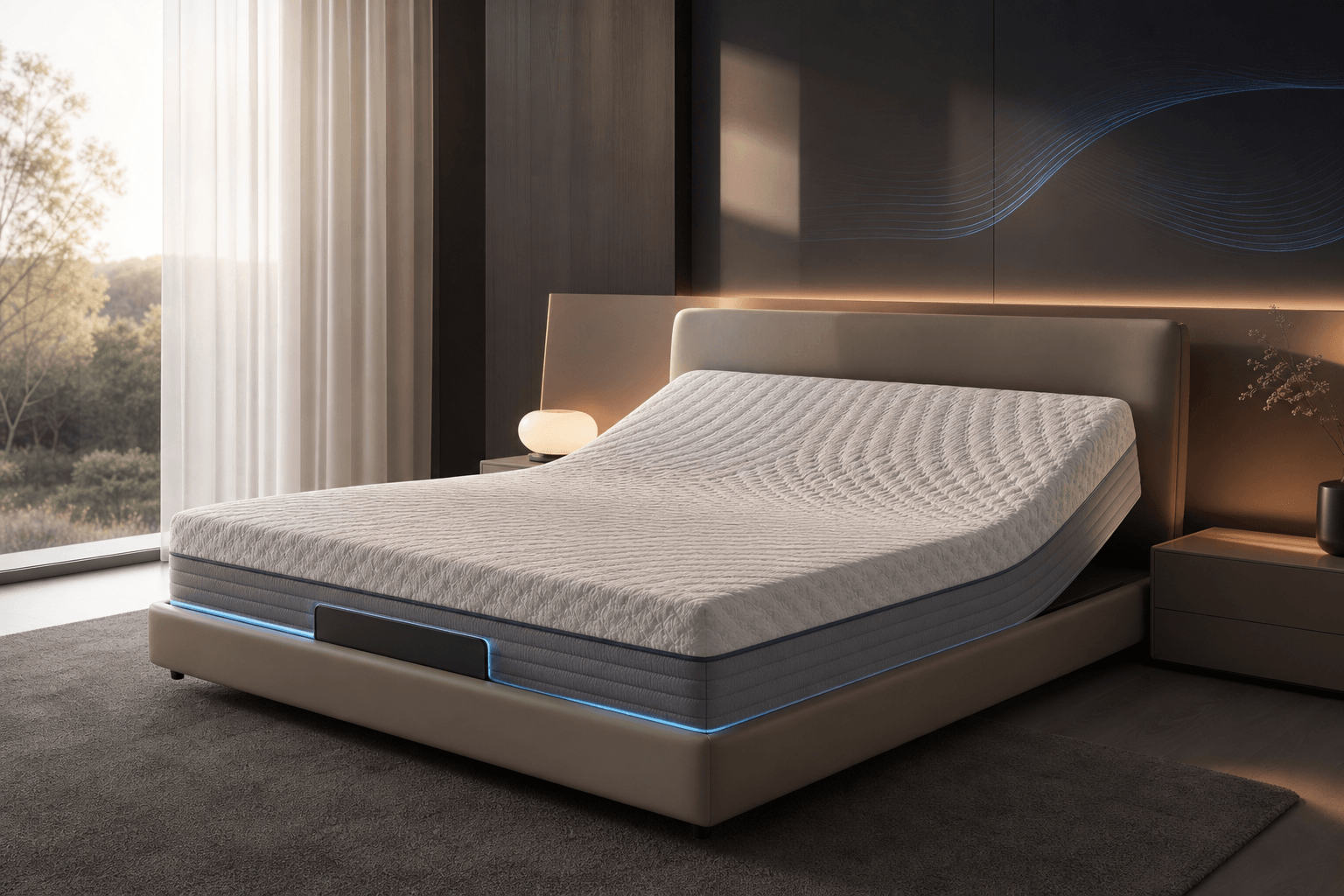
(This image is AI-generated for reference only, not an actual product photo.)
Tips for a Better Nap
A few simple rules make naps work for you instead of against you, keep them short, time them early, and set the right conditions so you actually rest.
Aim for 15 to 20 minutes, nap in the early afternoon (before about 3 p.m.) so it does not collide with nighttime sleep, and find a cool, dark, quiet spot. Even if you do not fully fall asleep, a short period of closed-eye rest can still restore alertness. If you consistently need long naps to function, treat it as a signal to look at your nighttime sleep rather than a habit to keep.
Frequently Asked Questions
Is a 20-minute nap enough? Yes. A 15- to 20-minute power nap is widely considered the ideal length, long enough to boost alertness and mood while short enough to avoid waking groggy from deep sleep.
Is a 30-minute nap too long? It can be. Around the 30-minute mark you risk entering deep sleep, which causes sleep inertia, that heavy, foggy feeling after waking. Sticking closer to 20 minutes is usually safer.
Is a 90-minute nap good? A 90-minute nap completes one full sleep cycle and can feel refreshing for people who have the time and need more recovery. It is not practical for a quick midday reset, but it works when planned.
Why do I feel worse after a long nap? Waking from deep sleep causes sleep inertia, a groggy state that can last 30 to 60 minutes. Long naps are more likely to push you into deep sleep, which is why short naps usually feel better.
Find a DeRUCCI Showroom Near You
Better sleep is easier to choose in person. Explore DeRUCCI's mattresses and smart sleep systems, then find a store and check global showroom addresses to experience them firsthand.