
 American
( English )
American
( English ) Singapore ( English )
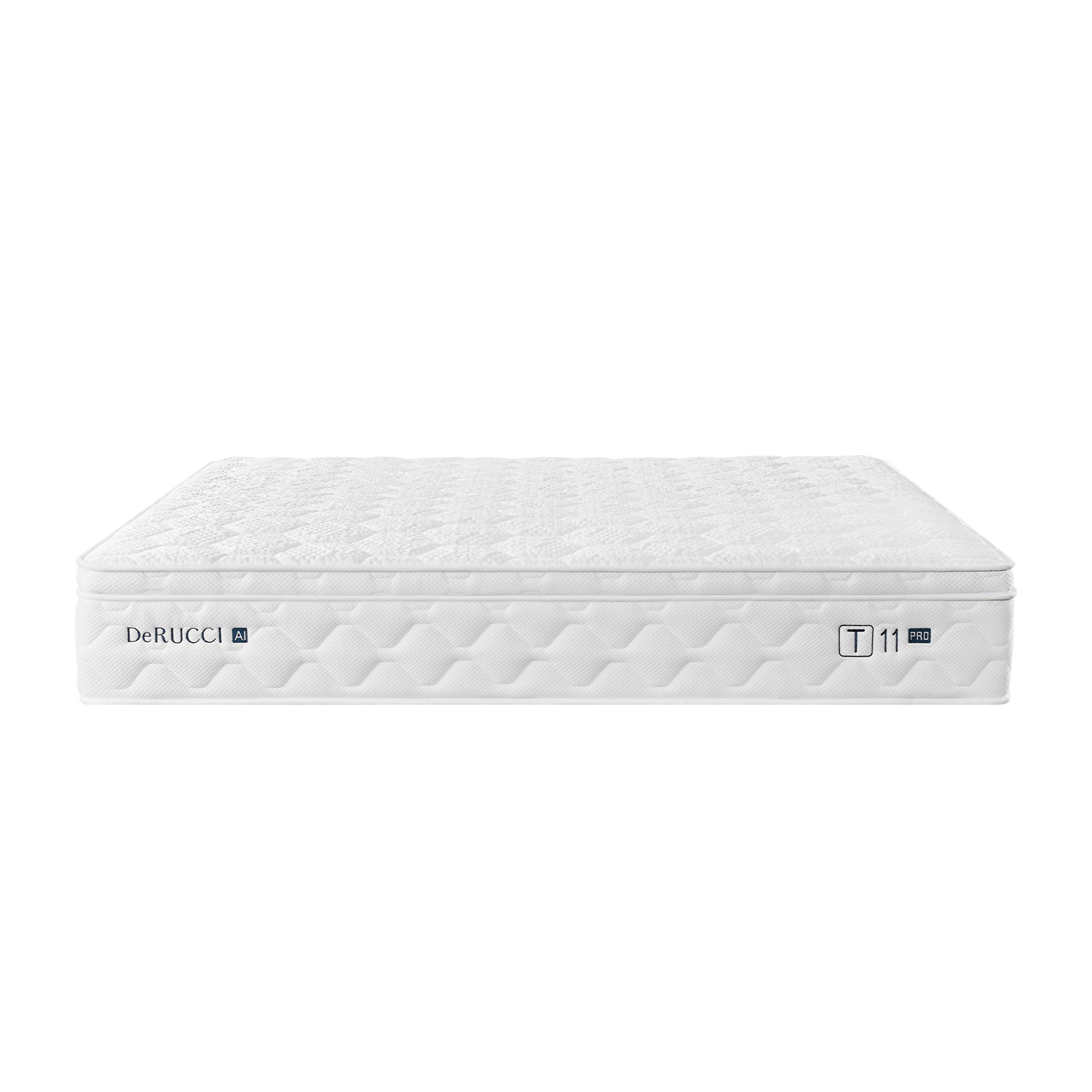
Latex vs Memory Foam for Pressure Relief: How to Choose the Right Mattress
If shoulder or hip pressure starts to show up a few hours after lying down, the issue is often not just firmness. In many cases, the sleep surface is asking the body to adjust around the mattress instead of letting the mattress manage contact pressure. In the latex vs memory foam for pressure relief decision, DeRUCCI looks at the choice through five practical checks: contouring, rebound, airflow, durability, and material safety.
For high-end households, pressure relief should not be reduced to a soft showroom feel. A mattress needs to reduce sharp contact at the shoulders, hips, and lower back while still keeping the spine supported through a full night of sleep. A well-chosen surface should meet the body where it naturally curves, allow small position changes without effort, and avoid holding the sleeper in a posture that feels comfortable for ten minutes but tiring by morning.
What Metrics Matter in Latex vs Memory Foam for Pressure Relief?
Pressure relief is best judged by how the material follows body curves, how quickly it recovers after movement, how it handles heat, how long the feel stays consistent, and whether the material profile meets household safety expectations. A plush surface can feel convincing in a store, but lasting comfort depends on how these factors work together during real sleep.
Contouring: how well the surface fills body curves
Contouring describes how closely the mattress surface fills the open spaces around the shoulders, waist, hips, knees, and lower legs. Memory foam is known for its slow, close body-hugging feel. Latex works in a different way: it compresses more under heavier areas but returns support with a livelier, more buoyant response.
A practical comparison is footwear. Memory foam can feel like a soft insole that gradually takes the shape of the foot after weight and warmth build up. Latex feels closer to a cushioned running sole that compresses, supports, and then comes back quickly. For pressure relief, one feel is not automatically better than the other. The better fit depends on body shape, preferred sleep position, shoulder width, hip pressure, and how often the sleeper turns during the night.
Responsiveness: how quickly the mattress recovers when you move
Responsiveness matters because most people do not stay in one position until morning. Even sleepers who describe themselves as side sleepers usually make small adjustments around the shoulders, knees, and pelvis. A mattress with faster recovery helps the body roll, turn, and settle again without the sleeper having to push against the surface. Latex usually rebounds quickly, which can help combination sleepers avoid the feeling of being stuck in the bed.
Memory foam often recovers more slowly. That slower response can create a comfortable cradle, especially for side sleepers who feel sharp pressure at the shoulder or hip on firmer surfaces. The trade-off is practical: changing position may require more effort, particularly when the comfort layer is thick, the room is warm, or the foam softens noticeably after several hours of body heat.
Airflow: why heat buildup can change pressure comfort overnight
Heat can change the way pressure relief feels. When a surface holds warmth, some foams soften gradually and allow the body to sink deeper than expected. That extra sinking can increase contact pressure in some areas, reduce support under the waist, or make turning feel heavier in the second half of the night.
Airflow works much like ventilation in a well-designed car seat. It is not only about feeling cool at first touch. It helps the comfort layer keep a steadier feel while the body remains in contact with the mattress for hours. This is why breathable structures, open-cell designs, and honeycomb-style constructions matter for shoppers who sleep warm or who notice that a mattress feels different at midnight than it did at bedtime.
Durability: how long pressure relief stays consistent
Pressure relief should remain stable after months and years of regular use. A mattress that feels balanced at purchase but develops soft spots can shift pressure back to the shoulders, hips, and lower back. The problem is not always visible at first; it may show up as more turning, stiffness after waking, or a need to rotate sleeping positions to avoid one compressed area.
High-end buyers should look beyond the first touch and ask about material resilience, compression testing, layer design, and how the construction protects long-term elasticity. The goal is not only comfort on the first night. It is consistent pressure distribution across many sleep cycles, including nights when the sleeper stays in one position longer than usual.
Material safety and sustainability: what high-end buyers should check
Material safety matters because a mattress is a close-contact product used for several hours every night. Buyers comparing latex and memory foam should review certifications, material descriptions, chemical positioning, odor profile, and environmental claims rather than relying on broad category assumptions.
Natural or high-quality latex often appeals to households that prioritize lower chemical exposure, durable elasticity, and a more material-led comfort story. Foam products vary widely by formulation, density, additives, and ventilation design, so shoppers should check the exact material system instead of assuming all memory foam mattresses will feel, breathe, or age in the same way.
How Does Latex Perform for Pressure Relief?
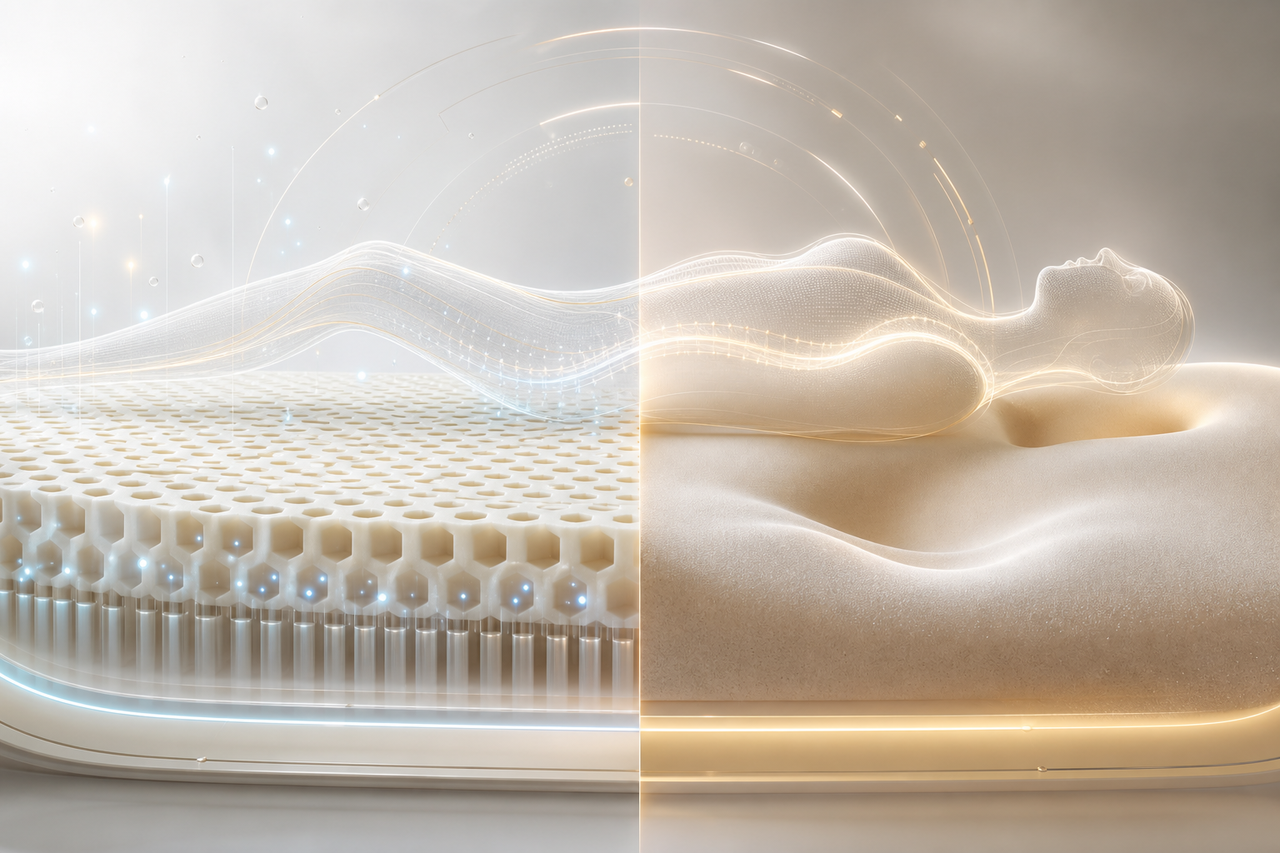
(This image was generated by AI and is for reference only.)
Latex pressure relief is usually buoyant rather than deeply sinking. It can cushion the shoulders and hips while keeping the body easier to move, which makes it a strong match for hot sleepers, back sleepers, and people who change positions several times through the night.
Dutch Talalay latex: physical foaming and high-density honeycomb airflow
Dutch Talalay latex is valued for a physical foaming process that creates a more consistent and airy internal structure. In DeRUCCI material guidance, this type of latex is associated with high-density honeycomb airflow, elastic comfort, and a material safety position focused on avoiding toxic chemical additives.
The honeycomb structure is easy to understand in use. Instead of working like a dense block that holds warmth close to the body, the structure gives air more routes to move through the comfort layer. For the sleeper, that can mean a fresher surface, less heat buildup, and a more stable comfort feel from the first hour of sleep through the early morning.
Buoyant pressure relief: supportive lift instead of a deep sinking feel
Latex relieves pressure by compressing under the body while pushing back with controlled lift. The result is often described as buoyant comfort. It can soften the hard feeling at the shoulder or hip without creating the slow, enveloping sensation many people associate with memory foam.
This matters for shoppers who dislike being held in one position. A simple soft surface may allow the body to sink, but it may not make movement easier or keep the pelvis supported. A responsive latex layer absorbs contact pressure while helping the sleeper turn, adjust a knee, or move from side to back without fighting the mattress.
Why latex often suits combination sleepers and hot sleepers
Combination sleepers need pressure relief in more than one posture. A side position asks for shoulder and hip cushioning, while a back position needs steadier support under the lower back and pelvis. Latex can help because it adapts quickly when the sleeper turns from side to back or from back toward the stomach. That faster recovery reduces the effort required to resettle during the night.
Hot sleepers may also prefer latex because airflow supports temperature comfort. Heat is not just a cooling issue. It can affect how soft the surface becomes, how deeply the body settles, and how much effort it takes to move. A breathable latex structure can help pressure relief remain more predictable from bedtime to morning.
Eco-conscious comfort: safety positioning and durable elasticity
Latex also fits buyers who want comfort with a more natural material profile. DeRUCCI positions Dutch Talalay latex around physical foaming, durable elasticity, and a safety-led comfort approach that avoids toxic chemical additives. For high-net-worth households, that combination supports both nightly performance and confidence in the material story.
Durable elasticity is important because pressure relief is a long-term requirement, not a first-night impression. If a material rebounds well and resists lasting compression, it is more likely to maintain its support pattern instead of forming body impressions that concentrate pressure around the shoulders, hips, or lower back.
How Does Memory Foam Perform for Pressure Relief?
Memory foam can perform very well for close contouring, especially for side sleepers with concentrated pressure around the shoulders and hips. Its main trade-offs are slower rebound and a higher risk of heat retention, so the full mattress construction matters as much as the foam label.
Deep contouring: why memory foam can feel like slow, close body-hugging
Memory foam responds gradually to body weight and warmth. That delayed response creates the close, body-hugging feel many side sleepers like. By allowing the shoulder and hip to settle into the comfort layer, it can spread pressure across a broader surface area and reduce the sharp contact that appears when a mattress is too firm or too flat.
The feel is similar to pressing into dense cushioning material that slowly accepts the body shape and holds it for a moment before recovering. This can be helpful when the shoulder needs more room to settle, especially for side sleepers with a narrower frame or more prominent hip pressure. At the same time, it may feel restrictive for sleepers who turn frequently or prefer a surface that responds immediately.
Trade-offs: slower rebound and stronger heat retention risk
The same properties that make memory foam feel pressure-relieving can also create trade-offs. Slower rebound may make movement harder. Heat retention may soften the surface overnight, changing the balance between cushioning and support after several hours of sleep.
For couples, this can affect the shared sleep experience as well. If one partner changes position often, a slow-recovering surface may feel less responsive under repeated movement. The point is not that memory foam performs poorly. It is that its strengths need to match the sleeper’s habits, room temperature, body weight, and expectations for ease of movement.
When memory foam helps side sleepers with sharp pressure points
Side sleepers place more body weight on the shoulder and hip because those areas carry a larger share of the load in a narrower contact zone. Memory foam can help when these areas need deeper contouring and more surface contact. Lighter side sleepers or people with narrower shoulders may especially appreciate the close fit because the material can reduce the hard edge they feel on a firmer mattress.
However, a good side-sleeper mattress still needs support under the waist and lower back. Pressure relief should not come from sinking alone. It should come from balanced contouring that allows the shoulder and hip to settle while still keeping the spine aligned and preventing the midsection from dropping too far into the mattress.
Pressure-relief alternatives: DEFORM Fine Revo in the DeRUCCI system
Within the DeRUCCI material system, DEFORM Fine Revo offers another pressure-relief direction. Its honeycomb structure supports breathability, while its durability context includes 480,000 compression tests. In practical terms, that testing points to repeated pressure cycles used to check whether comfort and support can remain consistent over time.
This type of layer shows why pressure relief should be evaluated beyond the latex versus memory foam category name. Construction, airflow, resilience, and endurance testing can all shape how a mattress performs in real homes, especially after the first few months of nightly use.
Latex vs Memory Foam for Pressure Relief: Comparison Table and Recommendation
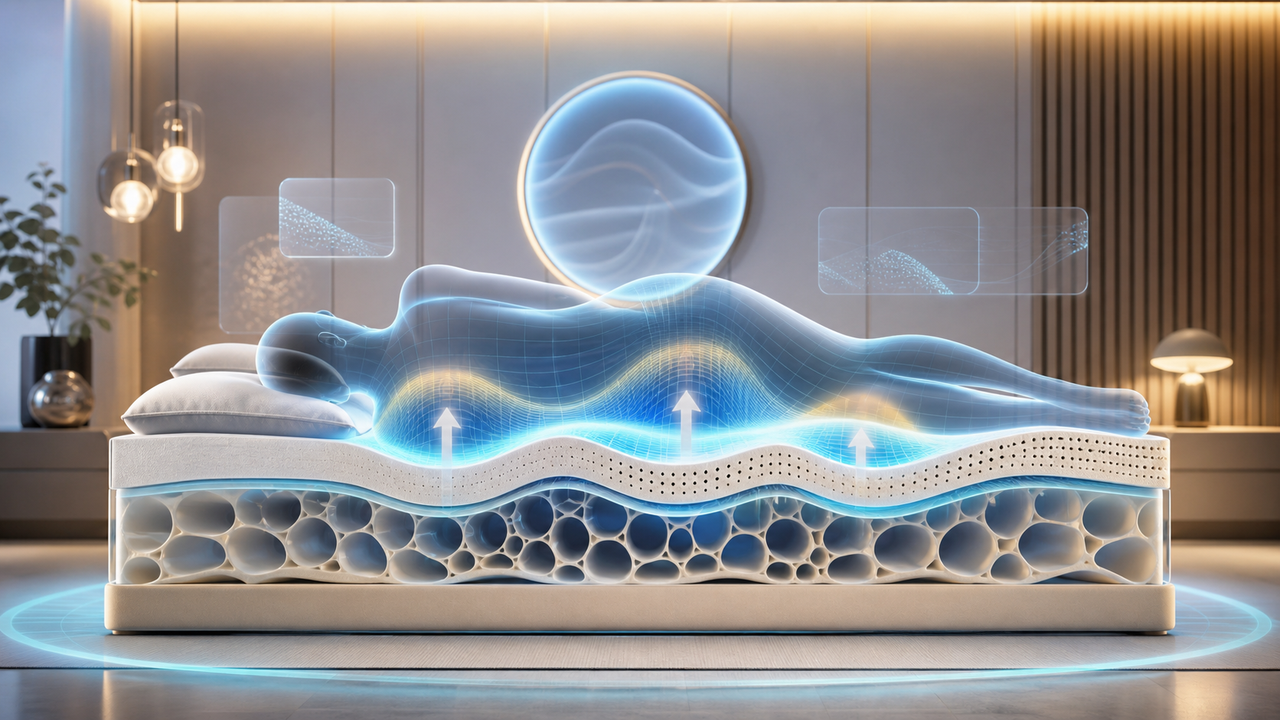
(This image was generated by AI and is for reference only.)
Latex is generally the better match for responsive, breathable, and durable pressure relief, while memory foam often fits sleepers who want deeper contouring and a slower cradle. North American shoppers should focus on currently available latex models and choose by sleep position, heat sensitivity, and movement needs.
Side-by-side table: contouring, rebound, airflow, durability, and eco profile
| Metric | Latex | Memory Foam | Practical Meaning |
|---|---|---|---|
| Contouring | Moderate to strong, with supportive lift | Deep, slow body-hugging | Latex feels cushioned and supported; memory foam feels more enveloping |
| Rebound | Fast recovery | Slower recovery | Latex tends to suit frequent position changes |
| Airflow | Often stronger, especially with honeycomb structures | Often more heat-retentive unless designed for cooling | Hot sleepers should review breathability before buying |
| Durability | Strong elastic recovery in quality latex | Varies by density and formulation | Long-term pressure relief depends on material resilience |
| Eco profile | Often favored by natural-material buyers | Varies by foam chemistry and certification | Safety claims should be checked against product details |
Best fit by sleeper type: side, back, hot, and combination sleepers
Side sleepers with sharp shoulder pressure may prefer memory foam if they want a deeper cradle and do not mind a slower response. Back sleepers often benefit from latex because it cushions pressure points without allowing the hips to sink too far. Hot sleepers usually lean toward latex for airflow and a steadier overnight feel. Combination sleepers often prefer latex because it recovers quickly when they turn.
For couples, latex can also feel easier to share because movement usually requires less effort. Memory foam may reduce surface bounce and motion feel, which some couples appreciate, but the slower recovery can feel restrictive for active sleepers or for partners who change position several times during the night.
North America recommendation: Taputa Latex Mattress and Century Dream 3D Latex Mattress
For North American shoppers, the practical recommendation is to focus on DeRUCCI’s available traditional mattress lineup rather than AI mattress models. The Taputa Latex Mattress MZZ4-238A and Century Dream 3D Latex Mattress MOC1-012 are relevant options for buyers comparing latex comfort, pressure distribution, breathability, and premium home suitability.
This distinction matters because T11 series AI smart mattresses are currently available in Australia, Singapore, Malaysia, and Vietnam, while the North American AI mattress launch is planned for 2026 H2. North American shoppers should not be guided toward T11 series purchase claims at this stage, especially when the immediate buying need is a mattress that can be tested and purchased through the current regional lineup.
CTA placement: available North American latex mattress options
For a buyer deciding between latex and memory foam for pressure relief, the next step is to test how the surface feels in the preferred sleep position. Latex should feel cushioned but easy to move on. Memory foam should feel pressure-relieving without trapping the body, letting the pelvis drop too far, or building heat in a way that changes the feel overnight.
DeRUCCI’s North American latex mattress options give high-end households a clear path toward breathable, responsive pressure relief. The best choice is the one that reduces shoulder and hip pressure while preserving spinal alignment, overnight comfort, and the ability to turn naturally during sleep.
Frequently Asked Questions
For in-store availability and local product guidance, visit DeRUCCI and check global store locations and details.