
 American
( English )
American
( English ) Singapore ( English )
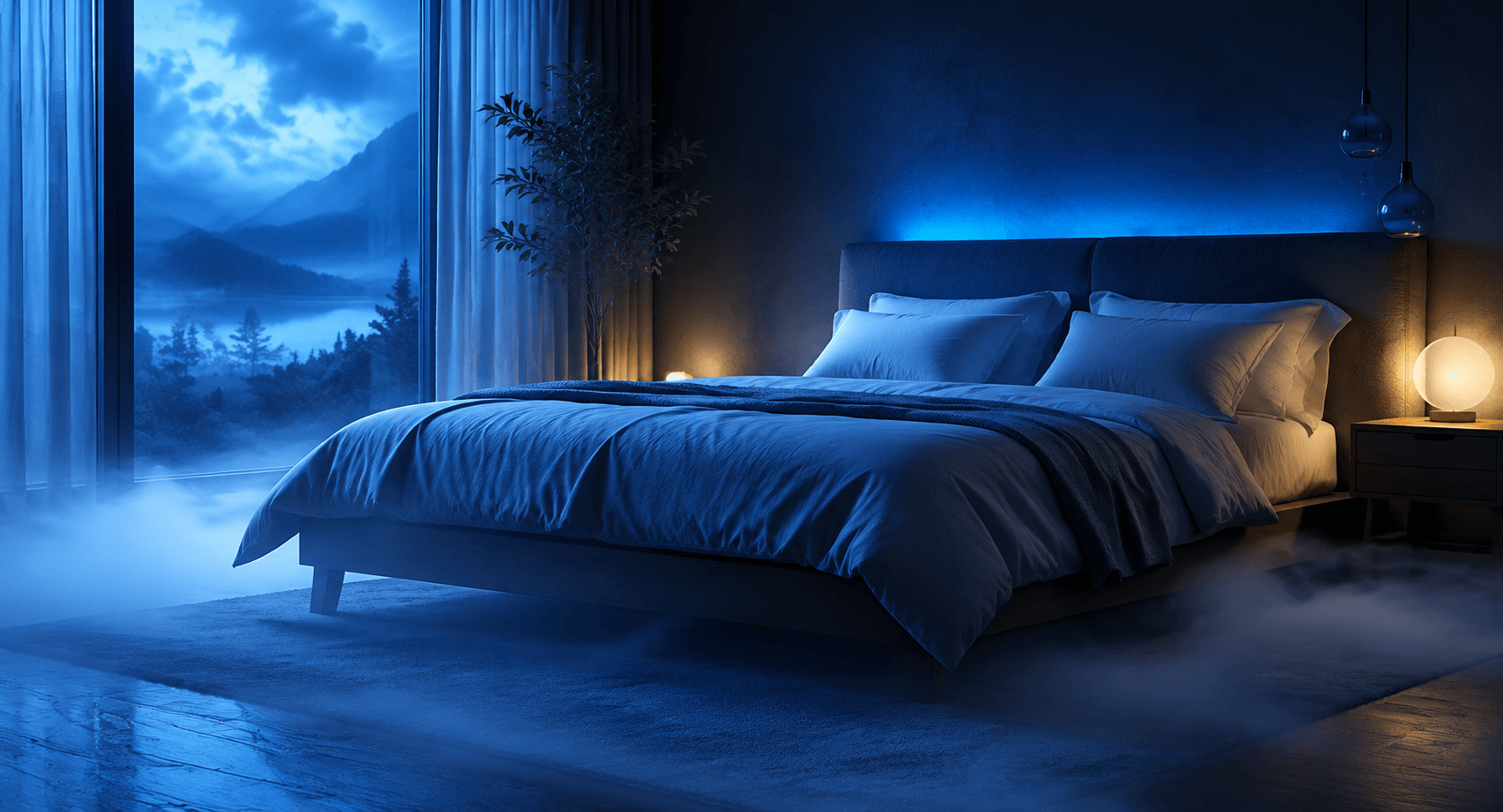
Why Temperature Affects Sleep
Sleep and temperature are tightly linked, to drift off and reach deep sleep, your core body temperature needs to drop, and a cool room is what allows that natural dip to happen.
Your body runs on a roughly 24-hour internal clock that lowers core temperature in the evening as melatonin rises, preparing you for sleep. As you fall asleep, the body continues cooling, reaching its lowest point in the deepest part of the night. A room that is too warm works against this drop, leaving you tossing, sweating, and stuck in lighter stages. Understanding this mechanism is the key to getting the temperature right rather than guessing.
What's the Best Room Temperature for Sleep?
Most sleep experts recommend keeping the bedroom between 60 and 67°F (15–19°C), with the ideal spot varying slightly by the person, those who sleep hot should aim lower, while those who sleep cold can sit nearer the top of the range.
Cleveland Clinic sleep psychologist Michelle Drerup advises thinking of the bedroom as a "cave", cool, dark, and quiet, to enhance sleep. Within that 60–67°F band, the right number is the one at which you fall asleep reasonably fast and wake without having thrown off the covers or bundled up shivering. For the full guidance behind those figures, the Cleveland Clinic ideal sleep temperature guide explains the range and the reasoning.
Too Hot or Too Cold: How It Disrupts Sleep
When the room drifts outside the comfortable range, sleep fragments in predictable ways, heat causes frequent awakenings and reduces deep sleep, while cold leaves muscles tense and makes it hard to settle.
A room that is too warm suppresses the core-temperature drop the body needs, so you spend more time in light sleep and less in the restorative N3 stage, often waking sweaty and unrested. A room that is too cold triggers shivering and muscle tension, which keeps the nervous system alert. The disruption is often subtle, you may not fully wake, but the cycles shorten and deep sleep erodes, leaving you tired even after a full night in bed.
Your Mattress & Bedding Also Regulate Temperature
The thermostat sets the room, but the surface you lie on decides whether heat and moisture build up around your body, which is why breathable, temperature-regulating materials matter as much as the number on the dial.
Moving heat and moisture away from the body is exactly what DeRUCCI's mattress materials are engineered to do. The 3D-Plus new Spacer Fabrics use an X-shaped cross-section with 4.4 times the breathability of conventional fabric and over 1.4 million precision support points, letting heat and moisture move away from the body. The Dutch Talalay latex layer brings a high-density honeycomb of open air cells for resilient, ventilated comfort, and the DEFORM Fine Revo material uses a honeycomb structure for airflow. Together they work with, not against, a cool room to keep the sleep surface in a comfortable range. To explore the materials, visit the DeRUCCI materials guide, or browse the DeRUCCI mattress collection. (The T11 SE AI mattress is now available at the DeRUCCI New York store.)
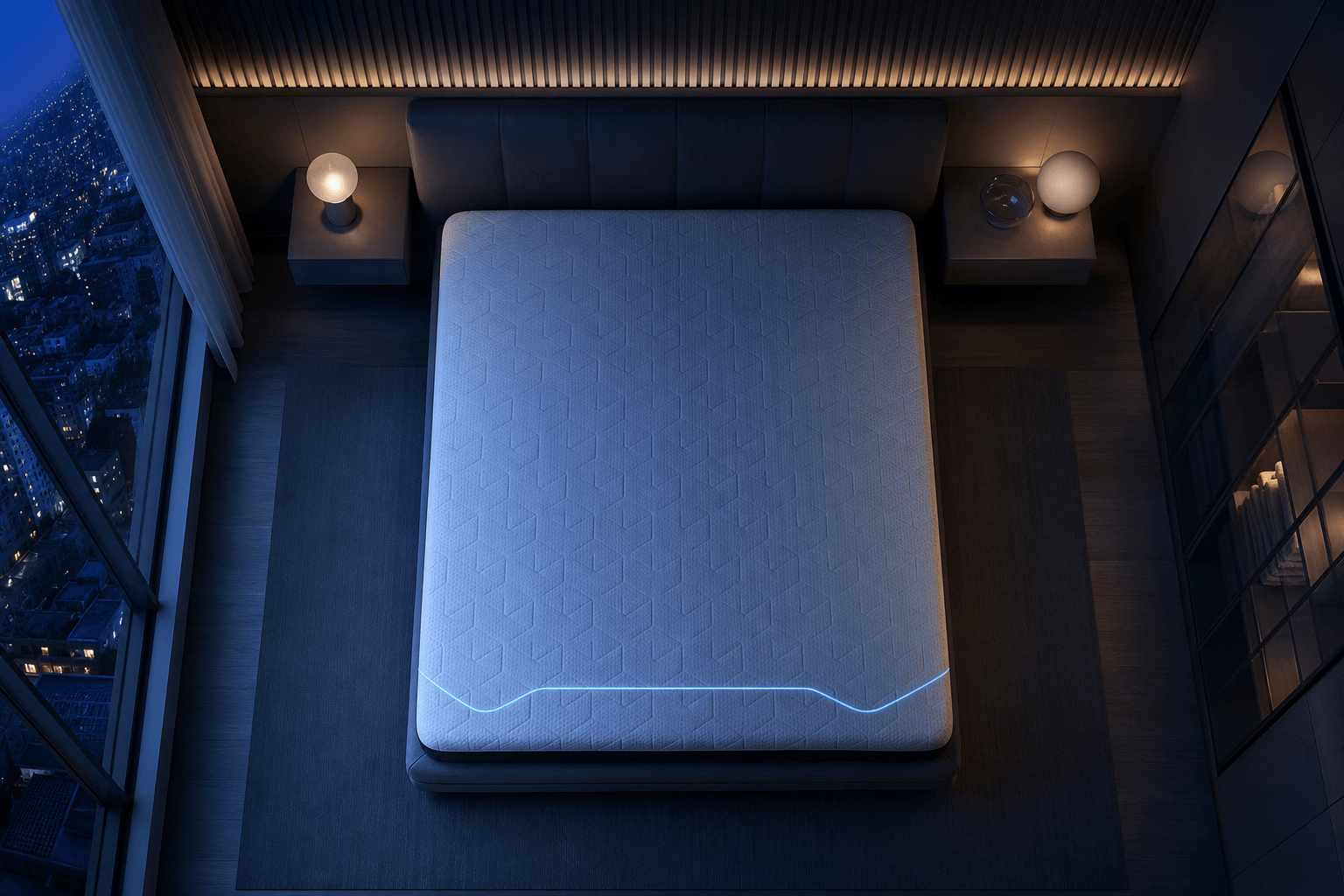
(This image is AI-generated for reference only, not an actual product photo.)
Tips to Hit Your Ideal Sleep Temperature Tonight
Finding your ideal sleep temperature is a matter of stacking small adjustments, set the thermostat low, choose breathable bedding, and let your mattress carry heat away from the body rather than trapping it.
Drop the thermostat into the 60–67°F range an hour before bed so the room is already cool as you settle in. Use breathable natural-fiber sheets and a lighter duvet if you sleep hot, or layer up if you run cold. Keep the room dark and quiet to match the "cave" effect. And pay attention to your mattress, a surface that releases heat and moisture works with the cool room, while one that traps warmth will leave you kicking off the covers at 3 a.m. no matter how low the thermostat goes.
Frequently Asked Questions
What is the best temperature for sleep? Most experts recommend a bedroom temperature between 60 and 67°F (15–19°C). Within that range, people who sleep hot should aim for the lower end, while those who sleep cold can sit closer to the upper end.
Why does a cool room help you sleep? Your core body temperature needs to drop for you to fall asleep and enter deep sleep. A cool room allows that natural dip, while a warm room works against it and keeps you in lighter stages.
Is it bad to sleep in a cold room? A room that is too cold can cause shivering and muscle tension that keep you alert, which is just as disruptive as a room that is too warm. The goal is a comfortably cool middle ground, not a freezing bedroom.
Can a mattress affect sleep temperature? Yes. A mattress that traps heat and moisture will leave you sweating and restless, while breathable, temperature-regulating materials help move heat away from the body and keep the surface comfortable through the night.
Find a DeRUCCI Showroom Near You
Better sleep is easier to choose in person. Explore DeRUCCI's mattresses and smart sleep systems, then find a store and check global showroom addresses to experience them firsthand.